!["CCTV installation in [kochi/ernakulam]"](https://static.wixstatic.com/media/a1bdf6_161b9a05e3144d53a6e393b8606d98e6~mv2.jpg/v1/fill/w_49,h_50,al_c,q_80,usm_0.66_1.00_0.01,enc_avif,quality_auto/a1bdf6_161b9a05e3144d53a6e393b8606d98e6~mv2.jpg)
A Complete Guide to Install CCTV Cameras Effectively

Security is a top priority for any property owner. Whether you run a business or manage a home, having a reliable surveillance system can make all the difference. Installing CCTV cameras is a smart way to protect your property, deter crime, and keep an eye on things when you are away. But how do you install CCTV cameras effectively? In this guide, I will walk you through everything you need to know about setting up your own security system.
Why You Should Install CCTV Cameras Effectively
Installing CCTV cameras effectively is not just about putting cameras on walls. It’s about planning, choosing the right equipment, and positioning cameras to cover all critical areas. When done right, CCTV systems provide clear footage, reduce blind spots, and help you respond quickly to incidents.
For example, placing a camera at the main entrance can capture every visitor’s face. Meanwhile, cameras covering parking lots or backyards can monitor suspicious activity. Proper installation also ensures your cameras work well in different lighting conditions, such as at night or during heavy rain.
By investing time and effort into the installation process, you get a system that works reliably and lasts longer. This is especially important in places like Kochi, where weather conditions can be challenging.
Choosing the Right CCTV Cameras for Your Property
Before you start installing, you need to select the right type of CCTV cameras. There are several options available, each with its own advantages:
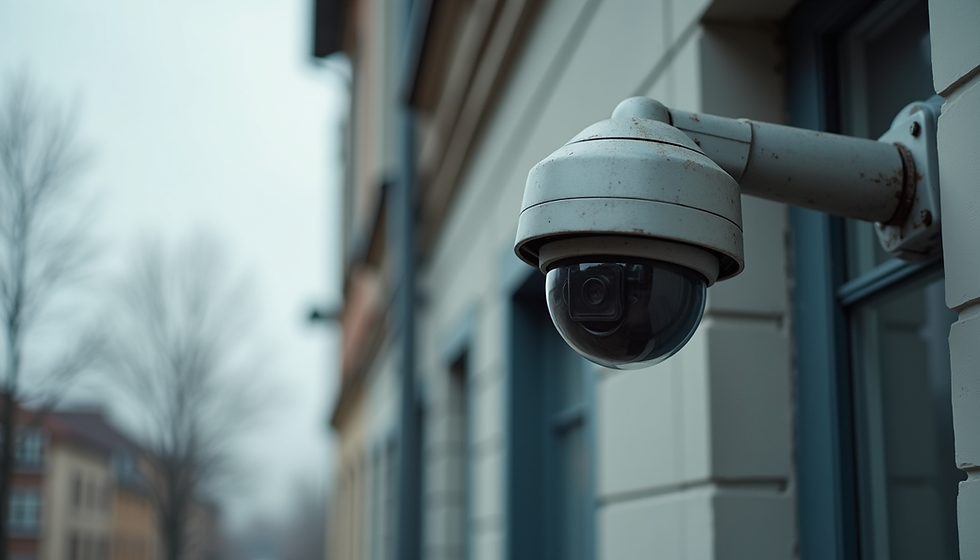
Dome Cameras: These are compact and blend well with ceilings. They are great for indoor use and provide a wide field of view.
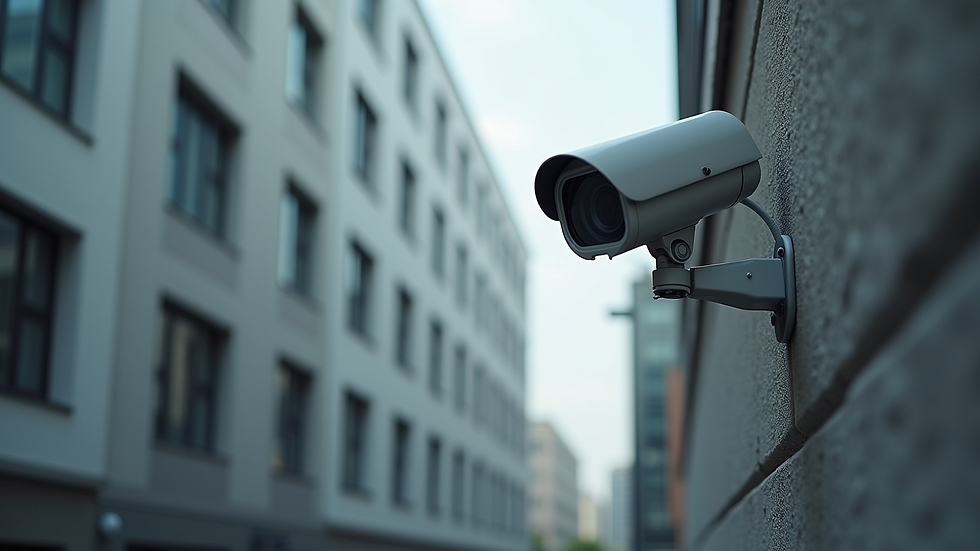
Bullet Cameras: These are long and cylindrical, ideal for outdoor use. They can cover long distances and are usually weatherproof.
PTZ Cameras: PTZ stands for Pan-Tilt-Zoom. These cameras can move and zoom in on specific areas, offering flexible monitoring.
IP Cameras: These connect to your network and offer high-resolution video. They are easy to install and can be accessed remotely.
Analog Cameras: These are traditional cameras connected via coaxial cables. They are cost-effective but offer lower resolution.
When choosing cameras, consider factors like resolution, night vision capability, weather resistance, and whether you want wired or wireless systems. For homes and businesses in Kerala, especially in Kochi, weatherproof cameras with good night vision are essential due to the tropical climate and frequent rains.
How to Install CCTV Cameras Step by Step?
Now, let’s get into the practical part. Here’s a simple step-by-step guide to help you install CCTV cameras effectively:
Plan Your Camera Locations
Walk around your property and identify key areas to monitor. Entrances, exits, driveways, and blind spots are good places to start. Make a rough sketch marking these spots.
Gather Your Tools and Equipment
You will need cameras, mounting brackets, screws, drill, cables (if wired), power supply, and a monitor or recording device.
Mount the Cameras
Use a drill to fix the mounting brackets securely. Position the cameras at a height that prevents tampering but still captures clear images. Aim the cameras to cover the desired areas.
Run the Cables
For wired systems, run the cables from the cameras to the recording device or power source. Use cable clips to keep wires neat and protected.
Connect the Cameras
Attach the cables to the cameras and the recording device. For wireless cameras, connect them to your Wi-Fi network following the manufacturer’s instructions.
Power Up and Test
Turn on the system and check each camera’s feed. Adjust angles and focus as needed to get the best coverage.
Set Up Recording and Alerts
Configure your DVR or NVR to record footage continuously or on motion detection. Set up alerts to notify you of any unusual activity.
Following these steps carefully will ensure your CCTV system works smoothly and provides reliable security.

Tips for Maintaining Your CCTV System
Installing your cameras is just the beginning. To keep your system running well, regular maintenance is key. Here are some tips:
Clean the Camera Lenses: Dust and dirt can blur the footage. Clean lenses gently with a soft cloth every few weeks.
Check Connections: Inspect cables and power supplies to ensure they are secure and undamaged.
Update Software: If your system uses software or apps, keep them updated to fix bugs and improve security.
Test Cameras Regularly: Make sure all cameras are recording properly and angles haven’t shifted.
Backup Footage: Store important recordings safely, either on external drives or cloud storage.
Regular maintenance helps avoid downtime and ensures your security system is always ready.
Enhancing Security Beyond Cameras
While CCTV cameras are a powerful tool, combining them with other security measures can boost protection. Consider adding:
Motion Sensor Lights: These lights turn on when movement is detected, deterring intruders.
Alarm Systems: Alarms can alert you and authorities immediately if there is a break-in.
Smart Home Integration: Connect your cameras to smart home systems for remote control and monitoring.
Secure Locks and Fencing: Physical barriers make it harder for intruders to access your property.
By integrating these solutions, you create a comprehensive security network that covers all bases.
Why Professional Help Can Make a Difference
While DIY installation is possible, professional installation offers several benefits. Experts can:
Assess your property and recommend the best camera types and placements.
Handle complex wiring and network setup.
Ensure compliance with local regulations.
Provide ongoing support and maintenance.
If you want peace of mind and a system that works flawlessly, consider consulting professionals who specialize in security solutions.
Taking the Next Step in Security
Installing CCTV cameras effectively is a smart investment in your property’s safety. With the right planning, equipment, and care, you can create a surveillance system that protects your home or business day and night.
If you want to learn more about cctv camera installation and how to secure your property in Kerala, especially Kochi, take the first step today. Remember, a well-installed CCTV system is your eyes when you cannot be there.
Stay safe and secure!


Comments