!["CCTV installation in [kochi/ernakulam]"](https://static.wixstatic.com/media/a1bdf6_161b9a05e3144d53a6e393b8606d98e6~mv2.jpg/v1/fill/w_49,h_50,al_c,q_80,usm_0.66_1.00_0.01,enc_avif,quality_auto/a1bdf6_161b9a05e3144d53a6e393b8606d98e6~mv2.jpg)
What Makes Up a CCTV Camera System: Understanding CCTV System Components

When it comes to securing your home or business, understanding what makes up a CCTV camera system is essential. Whether you want to keep an eye on your property or deter potential intruders, knowing the components involved helps you make informed decisions. In this post, I will walk you through the key parts of a CCTV system, explain how they work together, and clarify some common questions about security cameras.
Breaking Down CCTV System Components
A CCTV system is more than just a camera pointed at your front door. It consists of several components that work together to capture, transmit, and store video footage. Here’s a look at the main parts:
1. Cameras
The cameras are the eyes of the system. They capture video footage of the area you want to monitor. There are different types of cameras, including:
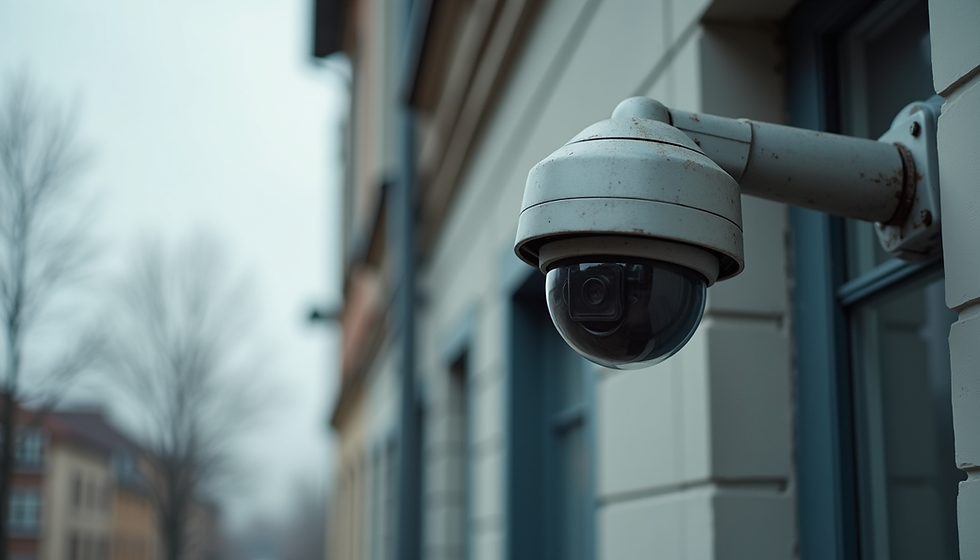
Dome cameras: These are small, discreet, and often used indoors.
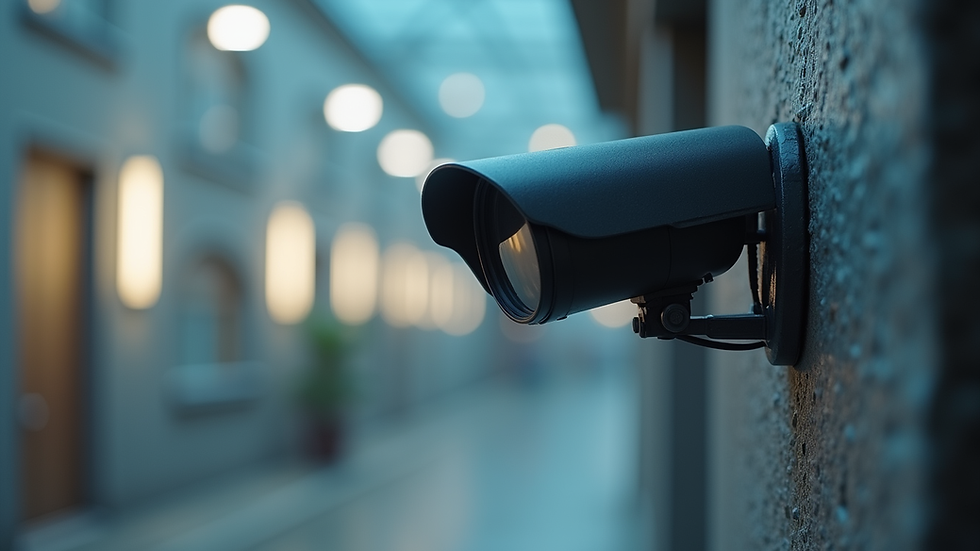
Bullet cameras: These have a long, cylindrical shape and are usually mounted outdoors.
PTZ cameras: Pan-Tilt-Zoom cameras can move and zoom in on specific areas remotely.
Infrared cameras: These allow for night vision by using infrared LEDs.
Choosing the right camera depends on your needs. For example, if you want to monitor a large outdoor area, a bullet or PTZ camera might be best. For indoor use, dome cameras are less obtrusive.
2. Digital Video Recorder (DVR) or Network Video Recorder (NVR)
The DVR or NVR is the brain of the system. It records and stores the video footage captured by the cameras. The difference between the two lies in the type of cameras they support:
DVR: Works with analog cameras. It converts the analog signals into digital format for recording.
NVR: Works with IP cameras that send digital signals directly over a network.
Both devices allow you to review footage, set recording schedules, and sometimes even access live video remotely.
3. Cables and Connectors
Cables connect the cameras to the DVR or NVR. The type of cable depends on the system:
Coaxial cables: Used in analog CCTV systems.
Ethernet cables (Cat5e or Cat6): Used in IP camera systems.
Proper cabling ensures stable video transmission and power supply to the cameras.
4. Power Supply
Cameras need power to operate. Some systems use separate power cables, while others use Power over Ethernet (PoE), which delivers power and data through a single Ethernet cable. PoE simplifies installation and reduces clutter.
5. Monitor or Display
To view live or recorded footage, you need a monitor. This can be a dedicated screen connected to the DVR/NVR or a computer or smartphone app that accesses the system remotely.
6. Storage
Besides the DVR/NVR’s internal storage, you might want additional storage options like external hard drives or cloud storage. This ensures your footage is safe even if the main device is damaged or stolen.
What's the difference between CCTV and security cameras?
You might wonder if CCTV cameras and security cameras are the same thing. The terms are often used interchangeably, but there are subtle differences.
CCTV (Closed-Circuit Television) refers to a system where video is transmitted to a limited set of monitors. It’s a closed network, meaning the footage is not broadcast publicly.
Security cameras is a broader term that includes any camera used for security purposes, including wireless cameras, IP cameras, and even some smart home cameras.
In essence, all CCTV cameras are security cameras, but not all security cameras are part of a CCTV system. For example, a Wi-Fi-enabled camera that streams footage to your phone is a security camera but may not be part of a traditional CCTV setup.
How Does a CCTV System Work Together?
Understanding how these components interact helps you appreciate the system’s value. Here’s a simple overview:
Cameras capture video of the designated area.
Video signals travel through cables to the DVR or NVR.
The DVR/NVR processes and records the footage.
You can view live or recorded video on a monitor or remotely via an app.
Storage devices keep the footage safe for future reference.
This setup allows continuous monitoring and recording, which is crucial for security and evidence collection.

Practical Tips for Choosing the Right CCTV System Components
Selecting the right components depends on your specific needs. Here are some tips to guide you:
Assess your property size and layout: Larger areas may require more cameras or PTZ models.
Consider lighting conditions: Infrared cameras are essential for low-light or night surveillance.
Decide between wired and wireless: Wired systems are more reliable but harder to install; wireless offers flexibility but may face interference.
Plan your storage needs: Higher resolution footage requires more storage space.
Think about remote access: If you want to monitor your property on the go, ensure your system supports mobile apps.
By carefully considering these factors, you can build a system that fits your security goals and budget.
Why Investing in a Quality CCTV System Matters
A well-designed CCTV system is more than just a deterrent. It provides peace of mind, helps resolve disputes, and can even lower insurance premiums. Poor quality or improperly installed systems may fail when you need them most.
That’s why it’s important to work with experienced professionals who understand the local environment and security challenges. For example, in Kerala’s humid climate, weatherproof cameras and corrosion-resistant materials are essential.
If you want a reliable and effective security solution, consider a comprehensive approach that includes not only cameras but also alarms, smart home integration, and professional monitoring services.
Enhancing Security Beyond Cameras
While cameras are vital, modern security solutions go beyond just video surveillance. Smart home systems can integrate lighting, locks, and sensors to create a safer environment. For businesses, access control and alarm systems add extra layers of protection.
By combining these technologies, you create a security network that responds quickly to threats and keeps your property safe around the clock.
Understanding the components of a CCTV system helps you make smart choices for your security needs. Whether you’re protecting a home or a business, knowing what goes into these systems ensures you get the best performance and value.
If you want to explore more about cctv camera systems, their features, and how they can be tailored to your property, don’t hesitate to reach out to experts who can guide you through the process. Your safety is worth it.


Comments