!["CCTV installation in [kochi/ernakulam]"](https://static.wixstatic.com/media/a1bdf6_161b9a05e3144d53a6e393b8606d98e6~mv2.jpg/v1/fill/w_49,h_50,al_c,q_80,usm_0.66_1.00_0.01,enc_avif,quality_auto/a1bdf6_161b9a05e3144d53a6e393b8606d98e6~mv2.jpg)
Exploring Various Types of CCTV Cameras: A Comprehensive Guide

When it comes to securing your home or business, choosing the right surveillance system is crucial. With so many options available, it can be overwhelming to decide which type of CCTV camera fits your needs best. In this post, I will walk you through the different types of CCTV cameras, explain their features, and help you understand how to pick the right one for your property in Kerala, especially if you are in Kochi.
Types of CCTV Cameras You Should Know About
There are several types of CCTV cameras designed for different purposes. Each type has its own strengths and weaknesses, so understanding these can help you make an informed decision.
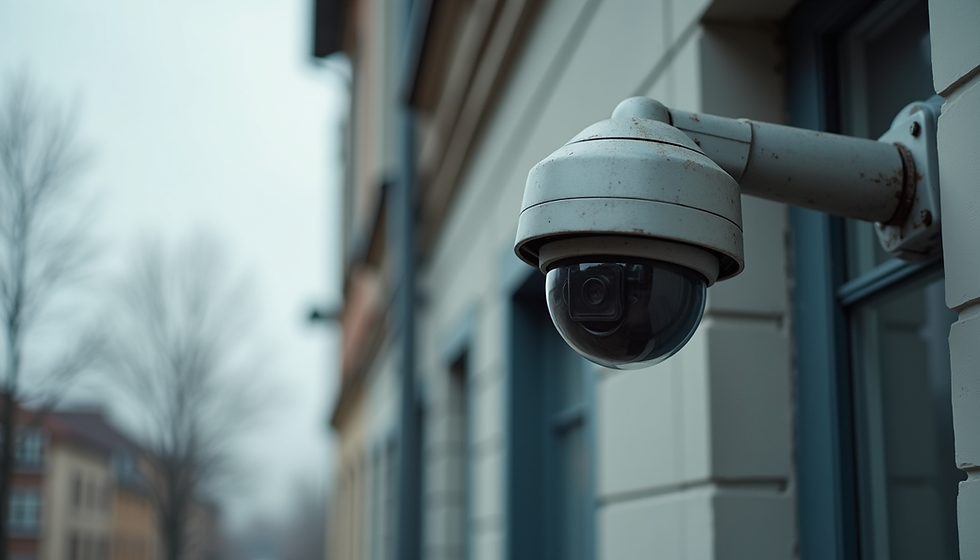
1. Dome Cameras
Dome cameras are named after their dome-shaped housing. They are popular for indoor use but can also be installed outdoors if they are weatherproof. Their design makes it hard for anyone to tell which direction the camera is pointing, which can deter potential intruders.
Advantages: Discreet, vandal-resistant, wide coverage.
Best for: Indoor areas like offices, shops, and hallways.
2. Bullet Cameras
Bullet cameras have a long, cylindrical shape and are usually mounted on walls or ceilings. They are highly visible, which can act as a deterrent. These cameras often have a fixed or varifocal lens, allowing you to adjust the viewing angle.
Advantages: Long-range viewing, easy to install, weatherproof.
Best for: Outdoor areas such as parking lots, entrances, and gardens.
3. PTZ Cameras (Pan-Tilt-Zoom)
PTZ cameras can pan left and right, tilt up and down, and zoom in and out. This flexibility allows you to cover large areas with a single camera. They are often used in places where active monitoring is required.
Advantages: Remote control, wide coverage, zoom capabilities.
Best for: Large commercial spaces, warehouses, and public areas.
4. Thermal Cameras
Thermal cameras detect heat signatures rather than visible light. They are useful in complete darkness or through smoke and fog. These cameras are more expensive but provide excellent security in challenging environments.
Advantages: Night vision without light, detects heat signatures.
Best for: Perimeter security, industrial sites, and critical infrastructure.
5. IP Cameras
IP (Internet Protocol) cameras transmit video over a network, allowing remote viewing and recording. They come in various forms, including dome, bullet, and PTZ. IP cameras offer high-resolution images and easy integration with smart home systems.
Advantages: High resolution, remote access, scalable.
Best for: Both residential and commercial properties with internet access.

What's the difference between CCTV and security cameras?
Many people use the terms CCTV and security cameras interchangeably, but there is a subtle difference. CCTV stands for Closed-Circuit Television, which means the video feed is transmitted to a limited set of monitors or recording devices. Traditional CCTV systems often use analog cameras connected to a DVR (Digital Video Recorder).
Security cameras, on the other hand, is a broader term that includes all types of cameras used for security purposes, including modern IP cameras that transmit data over the internet. These cameras can be part of a CCTV system or standalone devices connected to cloud storage.
In short:
CCTV cameras: Usually analog, closed network, local recording.
Security cameras: Can be analog or digital, may use internet/cloud, broader category.
Understanding this difference helps when choosing a system that fits your needs, especially if you want remote access or integration with other smart devices.
How to Choose the Right CCTV Camera for Your Property
Choosing the right camera depends on several factors. Here are some practical tips to guide you:
Consider the Location
Indoor or outdoor? Outdoor cameras need to be weatherproof and often have night vision.
Lighting conditions: If the area is poorly lit, look for cameras with infrared or low-light capabilities.
Field of view: Wide-angle lenses cover more area but with less detail; narrow lenses focus on specific spots.
Resolution Matters
Higher resolution cameras provide clearer images, which can be crucial for identifying faces or license plates. For most home and small business needs, 1080p (Full HD) is sufficient. For larger commercial properties, consider 4K cameras.
Storage and Recording
Decide whether you want local storage (DVR/NVR) or cloud storage. Cloud storage offers remote access and backup but may involve subscription fees. Local storage is one-time cost but can be vulnerable if the device is tampered with.
Integration with Other Systems
If you plan to expand your security setup or add smart home features, choose cameras compatible with your existing systems. Many IP cameras support integration with apps and voice assistants.
Budget
Prices vary widely. Balance your budget with the features you need. Sometimes investing a bit more upfront saves money in the long run by avoiding replacements or upgrades.

Installation Tips for Effective Surveillance
Installing CCTV cameras correctly is as important as choosing the right type. Here are some tips:
Height and angle: Mount cameras high enough to avoid tampering but low enough to capture clear images.
Avoid obstructions: Ensure trees, poles, or walls do not block the camera’s view.
Lighting: Position cameras to avoid direct sunlight or glare, which can affect image quality.
Power supply: Check for nearby power sources or use cameras with PoE (Power over Ethernet) to simplify wiring.
Test coverage: After installation, review footage to confirm the camera covers the intended area.
If you are unsure about installation, consider professional help to ensure optimal placement and setup.
Why Investing in Quality CCTV Camera Systems Makes Sense
Security is an investment, not an expense. With the right cctv camera systems, you can protect your property, deter crime, and gain peace of mind. In Kerala, where both residential and commercial properties face unique security challenges, having a reliable surveillance system is essential.
Moreover, modern systems offer more than just video recording. They can alert you in real-time, integrate with alarms, and even help manage smart home devices. This level of control and awareness is invaluable.
By choosing the right type of camera and ensuring proper installation, you create a safer environment for your family, employees, and customers.
Planning for the Future of Security
Security technology is evolving rapidly. As you consider your options, think about future-proofing your system. Look for cameras that support firmware updates, have scalable storage options, and can integrate with emerging smart technologies.
Whether you are securing a small home or a large commercial complex, staying informed about the latest trends and innovations will help you maintain effective protection.
I hope this guide helps you understand the various types of CCTV cameras and how to choose the best one for your needs. Remember, the right system is the one that fits your property, budget, and security goals perfectly. Stay safe and secure!


Comments